I’m an addict in recovery.
For a long time I didn’t see it that way. As long
as I could stop using for a while I thought I was all right. I looked at the stopping, never the using.
As my addiction progressed, I thought of stopping less, and less. Only in desperation did I finally ask myself,
“Could it be the drugs?”
Addiction isolated me from people except when I was getting,
using and finding ways to get more. I
became hostile, resentful, self-centered and self-seeking. I cut myself off from the outside world. Anything not completely familiar became alien
and dangerous. My world shrank and
isolation became my life. I used in
order to survive. It was the only way of life that I knew.
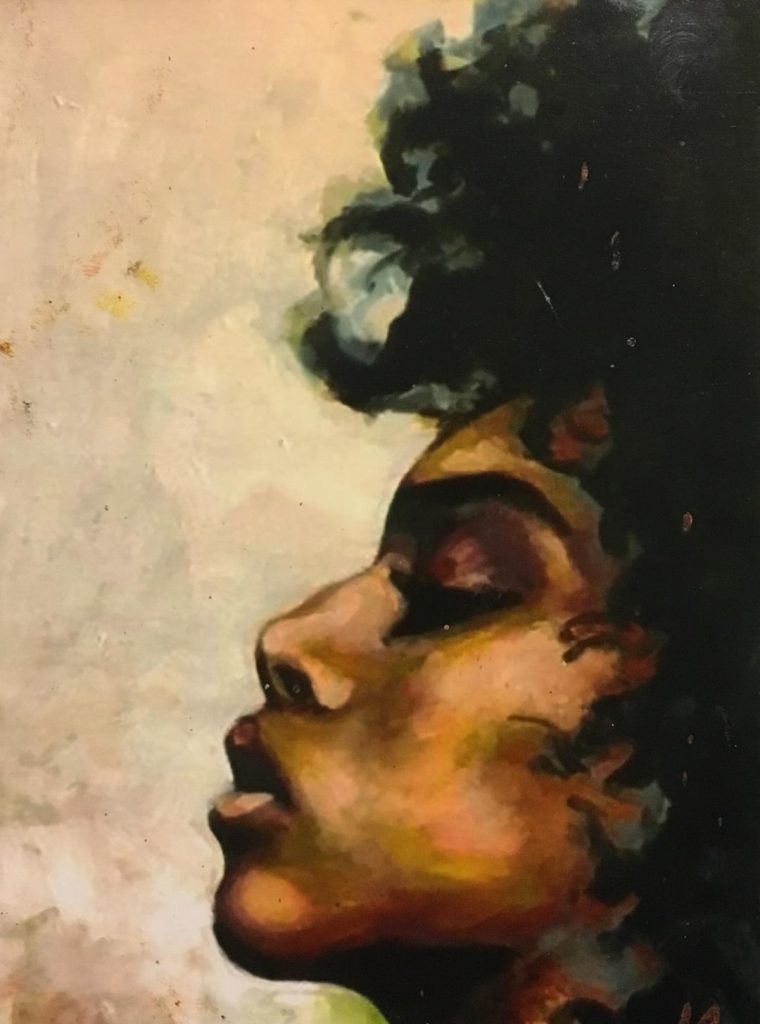
Art by John A. Saenz
Even though I used, misused and abused drugs, I didn’t
consider myself an addict. I kept
telling myself, “I can handle it.”
Some of the highs felt great, but eventually the things I
had to do to continue using reflected desperation. I was caught in the grip of addiction, forced
to survive any way I could. I
manipulated people and tried to control everything around me. I had to have drugs, regardless of the
cost. Failure and fear began to invade
my life.
One of the aspects of my addiction was my inability to deal
with life on life’s terms. I tried drugs
and combinations of drugs to cope with a seemingly hostile world. I dreamed of
finding a magic formula that would solve my ultimate problem – ME.
I fell into a pattern of selective thinking. I only remembered the good experiences. I
justified and rationalized things that I did by telling myself it was to keep
from being sick or going crazy. I
ignored the times when life seemed to be a nightmare. I avoided the reality. The higher mental and emotional functions,
such as having a conscience and the ability to love, were sharply affected by
my drug use.
I became accustomed to a state of mind that is common to most
addicts. I forgot what it was like
before I started using. I forgot about
social graces. I acquired strange habits
and mannerisms. I forgot how to
work. I forgot how to play. I forgot how to express myself and how to
show concern for others. I forgot how to
feel.
While using, I lived in another world. I experienced only
periodic jolts of reality or self-awareness. At first, I was using in a manner
that seemed to be social or at least controllable. I had little indication of the disaster that
the future held for me. At some point my
using became uncontrollable and anti-social. This began when things were going
well, and I was in situations that allowed me to use frequently. This was usually the end of the good times,
and I always ended up doing time.
Knowing what my life can become if I use again isn’t what
stops me from using. It’s what I heard
at an AA meeting one day while in prison.
It went something like this:
“I know I still have
one more high in me. You know, one more
fix. That will be there until the day I
die. It’s real easy to get some dope if
I want it and get high. So, I know for
certain that there’s one more high in me. But what I do not know for sure is –
whether there’s one more recovery in me.”
That struck home with me because I just didn’t like drugs, I loved them. I’ve hit rock bottom this time, and I am fortunate to be alive, but with each passing day, the desire to use is less and less.
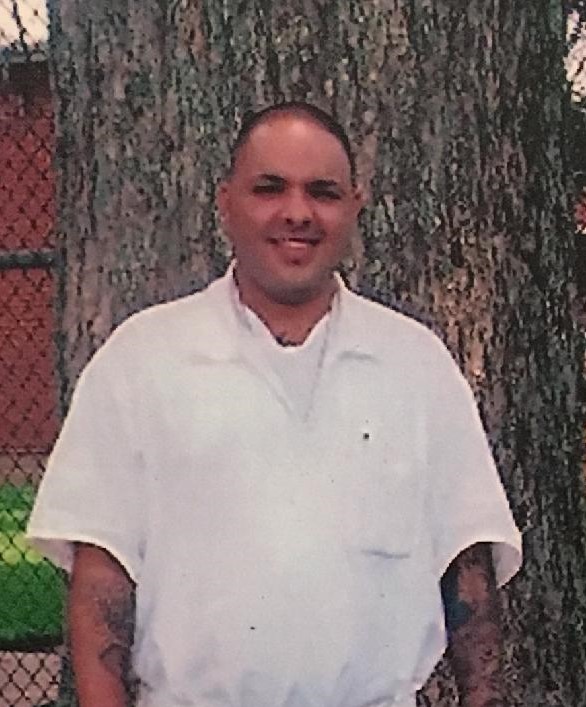
ABOUT THE AUTHOR. John Saenz is a talented writer and artist. He is serving a Life Sentence in Texas and can be contacted at: John A. Saenz #1113101 Ramsey Unit 1100 FM 655 Rosharon, TX 77583
Back in 1987 – ‘the Jamaicans’ hit. Not the whole of Jamaica – just a three-man posse of ruffians we town folk called ‘the Jamaicans’. It was during the crack epidemic of the 80’s, and I was thirteen.
Much of my days back then were spent goofing off with friends. On the weekends, we took our small allowances
and hoofed it to the inner city to buy marijuana. We were silly kids pretending to be
grown-ups, until times changed, and we could pretend no longer.
A time came when two of my friends began disappearing after
school, and by the week’s end they had extra money. When I asked their whereabouts, they replied,
“We sell rocks for ‘the Jamaicans’.” I
didn’t know rocks were in such high demand, but the incentive was worth
checking out, so we headed to New St. early the next day, to a neighborhood that
was a breeding ground for crime.
When we arrived there was a network of roguish teenagers
bustling to and fro. I watched as my friends
approached a man lounging in a luxury car.
He was short and dark complected, with even darker clothes, his voice rhythmic
and foreign. He handed them a package
and drove away as the three of us gathered curbside. Within moments, a scraggly man hastened our
way with a crumpled bill clutched in his fist.
He exchanged it with my friends for the contents inside a small plastic
bag – and that’s when it hit me. My
friends didn’t sell actual
rocks. They sold a drug called – rocks.
That’s when it all made sense. No longer were we simply standing in the
hood, it was more like the Promise Land – a bountiful mirage of tremendous
opportunity and it read, ‘see what you’ve
been missing?’ While I was home frying bologna and
watching cartoons, my friends had been out getting rich. Their success was equivalent to turkey with gravy
and man… I wanted to eat. The guy in the luxury car was called Roofus. We met the next day when I received my first
package of cocaine.
Life as a drug dealer began with invigoration, but soon became
hard work. I hopped in and out of cars all day haggling with strangers. My cup of judgment was neither half empty, nor
half full, but a lot of both – completely empty of experience, at the same
time, full of potential. Hustling drugs
day and night, I was fueled on by the idea of success. My motto was, “show me the money, and I’ll
show you commitment.” I wanted da ‘bling
to cast its illusion of wealth over poverty.
I wanted instant fame and glory, to shine amongst my peers. But stardom would come at a cost, and I
gradually became someone different. I
had walked across the bridge from innocence to inquisition, with something terrible
waiting at the bottom.
The first thing to go was my mother’s curfew. Next, I was a high school dropout. Courting girls began to occupy any time and
focus not spent dealing drugs. Then came
mischief, like vandalism and acts of violence. I was losing my grip on my values and drifting
on a sea of poor choices.
One day, I lost some drugs and had no way to pay Roofus. Frightened by the rumors of how ‘the jamaicans’ dealt with incompetence, I went into hiding. Imagine my surprise when Roofus called my house and threatened to harm my family. Suddenly, I was standing in a chilling darkness too great to conquer. Roofus demanded that I come to New St. to discuss payment. Along the way, I had a premonition of something horrible and decided to wait until I could come up with the money. A week later, Roofus skipped town after fatally shooting his girlfriend. I wondered if the bullet that killed her had my name on it.
The experience was a critical turning point in my life. While I did complete the journey across the bridge, my identity toppled over the edge. I gave my all to the dope game in hopes of something better. The price was my undying loyalty to streets – that gave nothing back.
There are 1,200 inmates here on the Ramsey Unit, and with
few exceptions, we are a well-behaved group.
For the most part, those with violent pasts have learned their lesson
and appreciate their civilized surroundings. Those who have spent their lives in prison have
finally found the best home. Many of
these career boys do not want to leave.
They are thoroughly institutionalized and cannot function on the
outside. A warm bed, three meals a day,
healthcare – how could they possibly top this on the streets?
I’m not implying this is a pleasant place. It is not. There are many men like me who never dreamed they would fall so hard and so many cruel twists in a long prison term. One of those twists is being slowly forgotten by the world and those you love and need. The mail, which arrived in bundles during the early months, gradually trickles down to one or two letters a week, until they stop altogether. The letters mean so much to us. They are a lifeline to the world.
How do you survive years in prison? You don’t think about years, or months, or
weeks. You think about today, how to get through it and survive
it. When you wake up tomorrow, another
day is behind you. The days add up. The weeks
run together. The months become years. You realize how tough you are, how you can function
and survive because you have no other choice.
I find the low levels of literacy among the prison
population depressing. Blacks, whites,
browns – it doesn’t matter. So many of these guys can barely read and write. It makes you wonder what’s happening in our
educational system – and is this the result?
I know that I can’t fix the educational system, nor the legal, judicial or prison systems. But I can dream my contribution to the fight will one day make a change. In the meantime, I survive one day at a time, and in doing so, maintain as much self-respect and dignity as possible because I will never become institutionalized.
ABOUT THE AUTHOR. John Saenz is a talented writer with a smooth, honest style, and I hope to share more of his work. He is serving a Life Sentence in Texas and can be contacted at: John A. Saenz #1113101 Ramsey Unit 1100 FM 655 Rosharon, TX 77583
Not everyone executed by Texas has been guilty of the crime they were executed for, and not all those currently on death row are guilty. That is reality. Another reality – it doesn’t matter your circumstances – the state of Texas treats all death row inmates inhumanely. If you live there, you live a solitary existence with no human contact and no eye on what is happening in the world around you. In many cases – for decades.
Charles Mamou, who has lived among the condemned for nearly two decades was recently led from his cell while it was routinely shaken down. As is standard practice, he was required to strip of his clothes, get physically inspected, and run his fingers through his hair – even though he has none. Then he was led to an empty cell while officers inspected his belongings.
While in the empty cell, Mamou noticed how loud everything was – the clangs of metal against metal weren’t buffered by a room full of personal belongings. Voices came back amplified and garbled. And then he noticed the window. It was the same size as the one in his cell – four inches wide and three and a half feet long – but it faced the other side of the building. The parking lot.
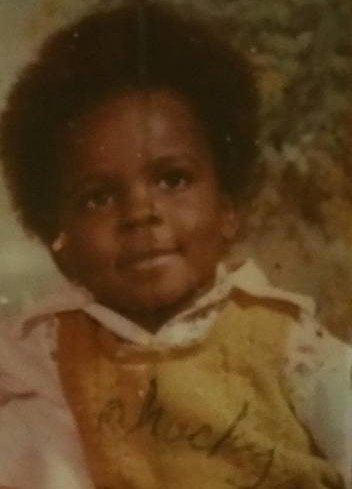
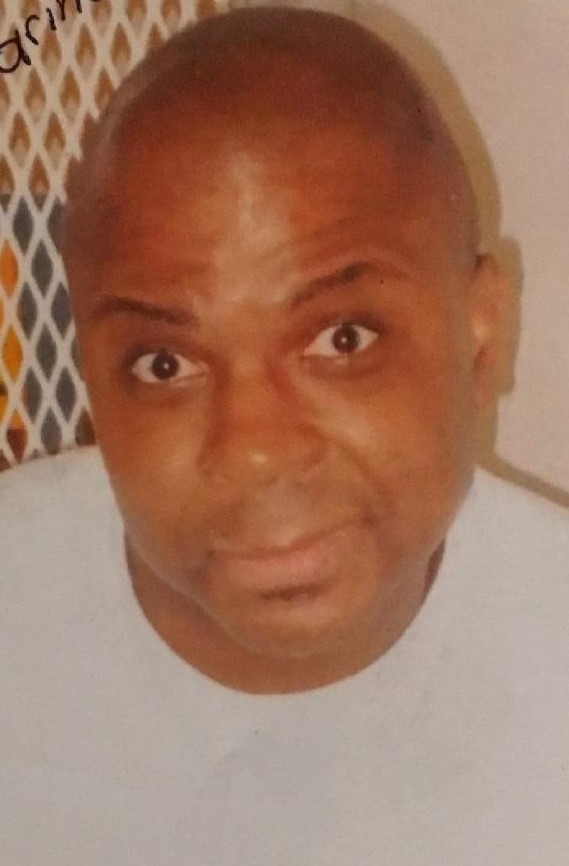
Charles Mamou
As he looked out of his temporary cage onto sights he never sees – cars; a mail delivery; workers going to and fro; and children actually sprinting on the sidewalk – in that moment, he realized just how displaced and removed from the world he has become. Standing on that bunk, in that empty cage, and peering out that four inch window – he was overcome with homesickness and how different everything looked than he remembered. Looking at the sky which he described as a bright Caribbean vacation beach blue, he couldn’t help but think of what all the inmates get caught up in thinking when they can’t stop themselves, “What would I be doing on a day like today?”
During the trial of Charles Mamou in 1999, one drug dealer
after another was brought in to testify against him, and it appears that none
of them were charged for their participation in any of the events that took
place. The state didn’t have DNA, a
confession, a weapon, fingerprints or an eyewitness, so they needed something to
convict Mamou with, and Harris County is very adept at getting people sentenced
to death, with the highest rate in the country.
A detective who was on the stand was asked, “At a later time
did you look for more than one individual other than Mr. Mamou?”
“Yes.”
“What is that person’s name?”
“We – there was an individual that – “
“Can you just give me his name?”
“Terrence Dodson.”
“Other than Terrence Dodson and Mr. Mamou, was there a third
individual you were looking at as a potential suspect?”
“A Shawn England.”
“How do you spell the last name.”
“I believe it’s E-N-G-L-A-N-D.”
“Okay. What about Samuel
Johnson?”
“Samuel Johnson’s name came up later in the investigation.”
“Were there any other names?”
“There was an individual by the name of – did I say Ced,
C-E-D?”
“I’m sorry?”
“Ced, an individual.
C-E-D is all we had.”
“So we have Charles Mamou, Ced, Terrence Dodson, Shawn
England, and Samuel Johnson?”
“Yes.”
So, when Samuel Johnson took the stand, he was very aware what
the outcome of the trial could mean to him, as he had already been taken into
custody at one point.
Johnson testified that on December 6, 1998, he took Charles
Mamou to, “buy some dope.” When asked
what he was going to get out of the deal, Johnson replied, “I was going to get
something out of it. I don’t know how
much.”
More specifically, he
was asked, “You were going to get dope, or you were going to get what?”
“Money.”
Samuel Johnson had no doubt about what was happening. He was asked, “Tell the members of the jury
exactly what it was that y’all were going to do.”
“Go buy some drugs.”
“All right. And do
you know the quantity of drugs that the both of you were going to be buying?”
“No, it was large.”
There was no question about Samuel Johnson’s understanding of the crime, and there was no doubt as to his role in the planned crime. “Did you have an agreement with Mr. Mamou to engage in some type of illegal conduct?”
“Yes.”
“You knew full well, when you left to go and, in fact,
throughout the day when you’re with him, that you were going to engage in some
type of illegal conduct?”
“Yes.”
“And you realized that conduct was a felony, correct?”
“Right.”
Samuel Johnson was going into a drug deal, knowing what he
was getting involved in. As the drug
deal went from one location to another, all parties trying to find a place in which
they felt comfortable, it was Samuel Johnson who drove the car – his car. Without his car and his cell phone – none of
it would have taken place.
At the scene of the drug deal, it was Samuel Johnson who
drove his car down that dark road with the intention to, “buy some dope.”
Samuel Johnson, according to his testimony, drove and participated in the drug deal. What is interesting is that even though he had driven down a dark road and parked, and by his account of the story he was there as part of a plan to purchase a large amount of drugs from people that a logical person would consider armed, Samuel Johnson expressed that he was innocent of everything that took place. He was guilty of all the planning and being aware of what was going to take place and actually being the only means of making it happen for Mamou – but once the drug deal actually took place and the shooting started – Samuel Johnson testified that he got back in his car, drove to his home, took a shower, drank a soda, didn’t disturb his wife and went to bed. According to him, the next morning he got up and went to work without ever speaking with anyone about seeing people get shot or the drug deal he went on that resulted in no drugs – although he supposedly watched his partner in crime drive the car away that was supposed to have the drugs in it.
After testifying as to how he innocently ended his evening,
it appears that Samuel Johnson was never charged with his involvement in what
took place that night.
Although he testified to his innocence after the moment that
the first shot was fired, at some point during the investigation, Samuel
Johnson was taken into custody by a homicide detective. While on the stand, he was asked, “At some
point you were arrested, right?”
“Right.”
“And you’re taken into police custody?”
“Right.”
“What’s the name of the officer that took you into
custody? Do you know?”
“No, I don’t.”
“Is it a homicide detective?”
“Yes.”
He also testified that he lied to police. He was asked, “Well, did you tell them at
that time when you gave a statement that you did not see anybody with a gun?”
“Yes.”
“Is that true?”
“No.”
“Is that a lie?”
“Yes.”
So, as with the other witness involved in the drug deal, Samuel
Johnson also admitted to lying on the stand.
On the weight of the testimony of drug dealers Charles Mamou has been living on death row for nearly twenty years, and is nearing his execution. He no longer looks out the four inch window on his side of the building, as he explained that all he can see through his regular window is another prison building, trees as big as Jack’s beanstalks, and a guard tower. Charles Mamou has always maintained his innocence.
TO CONTACT CHARLES MAMOU: Charles Mamou #999333 Polunsky Unit 12-CD-53 3872 South FM 350 Livingston, TX 77351
I hear talk the death penalty is becoming ‘unpopular’, and before long it won’t exist. It’s just a matter of time before Texas and the rest of the country come to this conclusion.
But from what I can see here on death row, this thing we call the death penalty – legalized killing – is here to stay. It’s economics. People don’t invest money in something that isn’t going to be around for long.
It wasn’t so long ago, I don’t know how much money was spent on putting video cameras all over this building to upgrade security.
Next – the roof was taken up and completely redone.
A couple months ago every shower door was removed and replaced with solid stainless steel doors that were professionally installed. At seventy-two doors, I can’t even imagine what the cost came to.
A few weeks ago, every food slot was removed and replaced with a new one to use a key lock instead of a bar. That’s 504 slots just for this building.
Next, I hear they plan to repaint all the cells – one by
one.
So, you see, it’s hard to see this kind of investment in death row housing unless the death penalty is here to stay in Texas. Actions speak a lot louder than actual words…
An expression of ‘self’, The definition of you. Thoughts and feelings, Your point of view. A reflection of opinion, Your lies become true. Tickled pink, mad, red, Or down and blue. An escape for your emotion, Way to organize your mental commotion. Describe feelings deeper than the ocean, Never use words that exploit erosion. Real, pure and raw, No photos, just what you saw. The needle in a stack of hay straw. Dreams become reality, Reality seems surreal. Don’t just speak, Let your heart spill. The letters of a word express how you feel, Death comes to life, Broken hearts heal. The colorful art of expression, Release of charity and aggression. An opinion or suggestion, Engulfed in confession.
ABOUT THE AUTHOR. Reggie West is serving life without the possibility of parole. ‘Poetry’ is an excerpt from the book he is currently working on. Reggie can be reached at: Reggie West #FE-6643 P.O. Box 33028 St. Petersburg, FL 33733
As revealed in Part I, Kevin Walter, the state’s first
witness, contradicted himself repeatedly on the stand. He agreed when the defense attorney questioned,
“Once some
police detective shows you, tells you about how we’re not worried about you and
this dope case; we’re interested in prosecuting this guy, and that’s the first
time you’ve come forward with information, and you had basically explained what
you testified to on direct examination?”
Walter’s answer was, “Correct.”
Which makes many wonder – what is the value of snitch testimony? Is it valuable enough to sentence a man to death? It wasn’t only testimony that was given by someone involved in criminal activity, but the testimony wasn’t even able to place Charles Mamou at the scene of the crime for which he is sentenced.
According to Kevin Walter’s testimony – he came forward with
information only after he was told they weren’t interested in his dope case – the
interest was in prosecuting ‘this guy’ – Charles Mamou.
Kevin Walter didn’t have anything to contribute to the jury that
could point to Mamou murdering the victim.
But, he was able to testify regarding the drug deal and apparently avoid
prosecution for his involvement.
After his testimony, the state presented some individuals who
came upon the scene of the drug deal gone wrong and some detectives, but no
information was shared that would point to Charles Mamou as a murderer. As a matter of fact, their testimony at times
highlighted the deception of the other states’ witnesses who lied repeatedly
when questioned.
And then Dion Holley took the stand. Mr. Holley was one of the individuals whose role on the night of the drug deal was to rob Charles Mamou, and after testifying against Mr. Mamou, it appears he, also, was never charged with his involvement.
Mr. Holley spoke freely about his participation in a drug
deal and when asked by defense, “What were you going to meet about?” Holley
replied, “About him buying some drugs.”
Holley was asked, “What was your understanding of what was going to happen at Northline?”
“That Mamou was going to trust Kevin Walter with the money.”
Defense, “How much money?”
Holley, “It was supposed to be $20,000.”
Defense, “$20,000.
Trust him with the money to do what?”
Holley’s answer, “To get him some drugs.”
There was no question that the man whose testimony was being
used to convict Mamou of capital murder was very involved in a drug deal and
the events that took place that night.
Mr. Holley was also aware there was at least one gun involved and when asked of his associate in the drug deal, “Now did Terrence Gibson have on – in his possession, a gun?”
The answer was, “Yes.”
Mr. Holley also testified, as did Kevin Walter, that it was Dion Holley, Kevin Walter and Terrence Gibson who went and picked up seventeen year old Mary Carmouche, involving the seventeen year old in a drug deal and planned robbery. It was, according to Holley’s and Walter’s own testimony, their actions that brought Carmouche to a drug deal involving what was believed to be $20,000, a robbery and at least one gun. Again, regardless of their testimony, it appears they were never charged with anything.
Dion Holley also testified to lying to the police, just as
Kevin Walter testified before him. When
asked about talking to the police after the drug deal, “And did you lie to
them?”
“Yes.”
Again, when asked, “Did you – so the time they first came to
talk to you, you never told them the truth about what happened?”
The answer from Holley, “That’s correct.”
Not only did Dion Holley testify to lying when first
questioned by the police, he also testified to lying when they questioned him
again.
“Did the police come back at a later date and talk to you
again?”
“Yes.”
“And were you just as uncooperative the second time they came
as you were the first?”
“Yes.”
“And did you continue to tell them lies?”
And Holley’s answer was once again, “Yes.”
Dion Holley continued to testify to his own lying.
“At any point in time, did you ever tell the police a true
story about what happened?”
“No.”
Again and again, Dion Holley testified to lying. “The State asked you whether or not you lied
to the police when they asked you about the circumstances of this case, and you
admitted lying to the police?”
“Correct.”
“And you always lied to the police about the case?”
“Correct.”
“You’ve never
given them the truth about this case?”
“Correct.”
When questioned about the night of the drug deal, Dion Holley testified regarding his intentions and when asked, “What is your understanding about what your role is going to be in this plan?” Holley replies, “For me to have the drugs.”
The defense asked, “So this is the first time that your friend,
lifelong friend, Kevin comes to you and says, I’ve got a plan; we’re going to
rip somebody off?”
“That’s correct.”
“And that’s okay with you?”
“At the time, yes.”
“Okay. And at that
time, throughout that night, it was okay with you?”
“That’s correct.”
“In fact, you played a major role in making that happen,
correct?”
“That’s correct.”
When describing what he thought was going to take place at
the scene of the drug deal, Holley said, “I thought he was going to hand the
money over to Kevin. We was going to
drive off, supposedly going to get the dope, but just get on the freeway and
leave.”
And – once again – Holley testifies to lying after being
asked, “The story that you told the police later about being boxed in is a lie?”
“That’s correct.”
“And you did tell them that story, right?”
“Pretty much.”
After Dion Holley left the stand, the jury knew that he
testified to lying repeatedly, he was a drug dealer, and he was a key
participant in a plan to rob Charles Mamou at gunpoint if necessary. He also testified that he and Kevin Walter,
another witness for the state, brought the seventeen year old victim to the planned
drug deal and robbery.
Apparently, Dion Holley was never charged for his participation in any of the events that took place.
TO CONTACT CHARLES MAMOU: Charles Mamou #999333 Polunsky Unit 12-CD-53 3872 South FM 350 Livingston, TX 77351
My dad often said, “You do not bite the hand that feeds you.” As a diabetic, I’ve tweaked that to read, “You
do not bite the hand that heals you.”
Anyone who lives in a correctional facility for long will
likely cross paths with a nurse or three before going home. Knowing which hands not to bite could mean
the difference between good health care and, I don’t want to frighten anyone,
but death. Being objective hasn’t always
been easy, but objectivity has kept me from harm for twenty-five years.
The health care system in the world is stressed, and I’m not
going to debate universal health care. I
merely want to weigh in on the people that have – literally – kept me alive and
upright all these years.
Nurses are the backbone, the foundation of a prison unit like mine, and they are overworked, understaffed, underpaid, underappreciated, overlooked and finally – abused too often by the very clients that they are sworn and paid to protect, treat and keep healthy.
As a diabetic, I get to see the prison nursing staff at least twice a day, every day, and have for nearly half my life. I get to see the details, and I get to see both sides of the coin. I’ve been locked away for twenty-five years, and I know who is on my side.
Prison isn’t easy on a good day, but inmates tend to take medical
for granted. Many feel medical care is a
given if they get a scrape or a cold. It
is their ‘right’ to fill out a sick call request, have someone wave a magic wand
over their head and presto – problem solved. I want it now – no, I want it yesterday.
But, for a small measure of patience…
Inmates parade in front of the infirmary all day long, and what they see are nurses and doctors. Some are sitting drinking coffee, some are eating lunch, some are typing on their computers. An impatient inmate only sees the surface, “All they do is sit around and talk, eat and play on the computers.”
Wrong.
What most are doing is taking a break from changing IV’s, filing
nurses notes, answering sick call requests, and dealing with unruly inmates who
actually believe that nurses are overpaid.
During my stay here, I’ve spent time receiving treatment from nurses, requiring antibiotics and IV’s for hours at a time. In those long hours of treatment, I’ve seen them constantly moving and constantly vigilant, trying to figure out who’s sick and who’s crying wolf – trying to deal with the constant mental process of taking care of over a thousand inmates, some really sick, some dying and some just craving attention.
Most of them probably don’t get paid near enough for
that.
In the 25 years I’ve been treated, I’ve never cried wolf. I want these warriors to take me seriously when
I call 911, I want them there to help me.
I don’t want anyone doubting I need their help. I’ve taken the doubt out of the
equation.
The double standard that often drives inmates to insanity –
also goes the other way. Nurses are
people too. Not all good, and certainly
not all bad. They suffer from the same
problems we all do. They have ups and downs and families to support, bills to
pay, relationship to nurture. They’re
human. And, thank God, some of them have
chosen to work in a prison infirmary.
Who among us would choose to talk to, medically review, and treat
inmates – many of whom are assholes – for twelve hour shifts and not develop an
attitude?
Are there bad nurses?
Yes. And there are also nurses who used to be a lot kinder and compassionate before coming to work in a prison. We as inmates have a way of grinding down the very people responsible for our well being, objectivity be damned.
ABOUT THE AUTHOR. John is currently doing a two-year set off, after 25 years of incarceration. He is a frequent contributor as well as author of Life Between The Bars, a unique and heartwarming memoir. His book has been recognized by Terry LeClerc who said, “This book is so good because each chapter is short, has a point, doesn’t whine. It’s an excellent book.” John can be contacted at: John Green #671771 C.T. Terrell Unit A150 1300 FM655 Rosharon, TX 77583
Charles Mamou was sent to death row in 1999, based on a case with no eye witnesses, no DNA, and now weapon. The state needed to present something though, and here is an excerpt from the testimony of the prosecution’s first witness in the case that sent Mamou to death row in Texas:
Q. But at some point, you’re clear thinking; you’re able to tell the police what took place, right?
A. Not as I can recall.
Q. You recall –
A. I could not talk.
Q. That’s why you used the notes to write to the police?
A. I guess.
Q. Then you would know. Were you aware of what you were writing when you wrote to the police?
A. No.
Q. So, you weren’t aware. When is the first time you told them about the good samaritan story?
A. I don’t remember saying that.
Q. You don’t recall telling the police that some guys looked like they were broke down and ya’ll stopped to help them?
A. No.
Q. Are you saying you never told the police that?
A. I’m not saying that either.
Q. Now, was there a point in time when you decided that it was okay to tell the police what had happened once you realized you weren’t going to be prosecuted for anything, correct?
A. Correct.
Q. Is that what caused you to then come forward and say, Here’s how – what I was going to do. Once some police detective shows you, tells you about how we’re not worried about you and this dope case; we’re interested in prosecuting this guy, and that’s the first time you’ve come forward with information, and you had basically explained what you testified to on direct examination?
A. Right.
THE COURT: Approach the bench for a second, please.
That was part of the testimony of the State’s very first witness, Kevin Walter. According to his own testimony, which contradicts itself throughout, Kevin Walter was a participant in a drug deal in which he planned to take money from Charles Mamou and his associates by force if necessary.
Many of the details of the drug deal gone wrong will vary throughout the trial, but everyone agrees that Kevin Walter was involved because he was selling drugs he didn’t have, and planned to take the money in a variety of ways – according to which part of his testimony you choose to believe. Within his testimony, there are so many variations of that night it is hard to know exactly what he testified to.
Ultimately, Kevin Walter got shot during the mutual attempted robbery. None of the parties involved has been charged in that shooting.
As to how the ‘plan’ to rob Charles Mamou began, Kevin Walter testified about a conversation he had with Dion Holley, an associate of his:
Q. How was it that you just came to just hook up with Mr. Holley in November of 1998?
A. Well, when he was shooting basketball, I just asked him did he want to make some money.
Q. Okay. And I take it that Dion was not surprised that you came and asked him if he wanted to make some money?
A. No.
Q. And so, you presented to him what you referred to as the plan, correct?
A. Yes.
So it was in November of 1998, the beginning of a plan was put into motion. The details of the plan are very unclear during the testimony with the most consistency being in the contradictions themselves.
For example:
Q. Tell me what you thought. Did you think Mr. Mamou was a snitch right then?
A. Yes.
Q. Yes or no?
A. Yes.
A few questions later:
Q. You’ve already described why that didn’t happen because you thought he was a snitch, right?
A. No, not really.
Regarding his intent, Mr. Walter stated:
A. Whether he was a snitch or not, I take this money.
Q. So, even if he was working for the police department, you would be willing to take his money from him?
A. Oh, no.
Q. Whatever it takes?
A. Oh, no.
Q. If you knew he was a police officer, you wouldn’t take his money from him?
A. No.
Q. I thought you said even if he was a snitch, you would take his money from him?
A. That don’t mean the police was there.
Q. So if the police weren’t there, you would do whatever it takes to take the money? Fair statement? This is all about you getting twenty grand, right?
A. Right.
Q. How were you going to divide it between you and Holley and Gibson?
A. I don’t know. Once we took the money, we would divide it.
Q. You worry about that later on; get the money first?
A. The main thing was to see the money, count the money.
Q. Take the money. There was a third part to it, right? Right? See the money, count the money, take the money?
A. Yeah.
Q. I believe your testimony when Mr. McClellan was talking to you was the plan was to rob the defendant, Charles Mamou, correct?
A. Correct.
Throughout his time on the stand Mr. Walter’s restates his plan to rob Mr. Mamou. At one point he goes into more detail about the plan:
Q. And when he asks to see the dope, it’s part of your plan to do what? How do you respond? What’s your plan?
A. It’s down the street.
Q. And that was not true, you had no dope, right?
A. Right.
Q. You never had any intention of giving him any dope?
A. Right.
Q. From start to finish, your plan is to rip him off?
A. Right.
Q. At some point, when it’s obvious to you that twenty thousand is no longer an issue, according to your testimony, and it’s only forty-five hundred, you’re still wanting to rip him off even for the forty-five hundred?
A. Yeah.
At one point Mr. Martin seems a little off balance after the defense attorney refers to him, using the word ‘afraid’.
Q. Now through this entire time, you indicated to the jury earlier that you were afraid that this man is going to rip you off, right?
A. Right.
Q. That’s running through your mind the entire time?
A. No.
Q. What?
A. I’m listening.
Q. Is that true?
A. Yes.
Q. And would it be a fair statement that the places where the meetings were taking place up to that point were public locations, open to the public? People could drive by, walk by, see what was going on? Do you understand my question?
A. No, but I was just listening to you say afraid. I never said I was scared.
Q. You weren’t afraid of Mr. Mamou?
A. What you mean by afraid?
Q. Well, what do you mean by afraid?
A. I wasn’t really scared.
Q. You were just going to rip him off?
A. That’s what –
yeah.
During the States’ questioning, Mr. Martin continued to contradict his testimony. He had already testified that he never had a gun, but when describing an earlier part of the evening when it was just him and his friend Dion Holley, he testified:
Q. Was part of the plan to rob Charles Mamou at gunpoint?
A. No.
Q. What was the plan?
A. To take his money and—
Q. How were you going to get him to give you the money?
A. Once we count the money, then we take the money.
Q. Just going to jump in the car and run?
A. No. It was at gunpoint, of course; but it wasn’t no plan.
Q. Pardon?
A. If it was going to be gunpoint, yes, of course, once we count the money.
Q. But Terrence Gibson wasn’t there?
A. No, no, he wasn’t. I didn’t see him.
Q. Did you have a gun?
A. No.
Q. Did Dion Holley have a gun?
A No.
Q. How are you going to do it at gunpoint?
A. I don’t know. I was going to see can I walk away with the money.
Upon recross examination, he was asked about that again.
Q. Your testimony was that if it was necessary at some point to have a gunpoint to force the money, you said that was okay, isn’t it?
A. Yes.
Again, later in the testimony:
Q. And you knew that if it came to gunpoint, then so be it, in terms of getting the $20,000 from Chucky Mamou?
A. Yes.
After the conclusion of Kevin Walter’s testimony, one is left knowing there is nothing certain about what Mr. Martin testified to regarding the night of the drug deal gone wrong. And, the drug deal is all that he was questioned about, not the murder of Mary Carmouche.
It appears that Kevin Martin was not charged for his involvement in any of the events that took place.
TO CONTACT CHARLES MAMOU: Charles Mamou #999333 Polunsky Unit 12-CD-53 3872 South FM 350 Livingston, TX 77351
The guard walked me to the elevator where we joined other inmates and were handcuffed, shackled, and told to stand facing the back – as if we were so hideous our faces shouldn’t be seen. We were then taken to a garage and put in a transport van. It took only five minutes to reach the unloading area of the courthouse.
I was one of the first prisoners led out, handcuffed to three other inmates and taken to the courtroom. I could only hope my attorney had told me the truth…
“All rise!”
Everyone in the room stood, and then sat in unison as the judge said, “You may be seated. Will the defendant please come forward?”
A guard tapped my shoulder, I was uncuffed and walked to the bench. My court appointed attorney met me there, smiled and nodded.
“Sir, do you know why you are here?”
“Yes, ma’am,” I replied.
“And why are we here?”
“My capital murder indictment has been dismissed.”
“That’s correct. Now, I’ve spoken to the DA, and I’ve also spoken to your attorney. From what I understand, you have not been in any trouble in jail. I don’t see any contact with the jail staff.”
“No, ma’am.”
“Sir, the District Attorney has filed a motion to dismiss
the indictment against you for capital murder.
Based on the information I have here, I am going to grant the
dismissal. What this means is that once
the paperwork is processed, you will be released.”
“Yes, ma’am. Thank you,” I was so relieved I almost fell down.
“Now, don’t get too excited,” the judge took off her glasses and held them in her left hand. She paused. “I want to make something perfectly clear. You are getting a second chance. There will not be a third,” she said, emphasizing each important word with her glasses.
“If you come before me with any trouble at all, and I mean any at all, you will go to prison for the maximum amount of time allowed by law. Do you understand?”
“Yes, ma’am.” This time I knew there would be no more trouble. This was going to be the last time I appeared before this judge or any other.
“You are excused,” she said, dismissing me before signing some papers and handing them to one of the guards.
With that, I was on my way out. I didn’t know how long it would take for the paperwork to process, but I knew I would not wake up in jail tomorrow. I was escorted back to the other prisoners and handcuffed at the end of the line. When all of us were taken back to the jail, I was left in the holding area.
‘I can’t believe it! I’m really getting out of here!’ All I could think about was taking a real shower, sleeping in a real bed, and eating real food. I couldn’t wait to get the stench of jail off me. I sat in the holding area for some time, and as each guard passed the window, I was certain it would be the one to bring my street clothes and take me to processing. But each time they kept walking.
Another inmate was brought in. I had seen him in the jail, but I didn’t know who he was.
“Getting out?” asked the stranger.
“Yeah, just as soon as they process my papers.”
“Don’t be in too big a hurry. Probably won’t be till after midnight.”
My heart dropped. How was I going to last till midnight? The other inmate stretched out on a bench and fell asleep almost immediately. Dinner came. I let my new cellmate eat my portion. Even if I did get released after midnight, I could eat then. I couldn’t stand the thought of another bologna sandwich. I dozed off and woke up to the sound of the cell door – sliding open.
A guard walked in and called my name, “Time to go.”
I shook off sleep, walked out of the cell and made my way to the processing area. Another guard handed me a plastic bag that held all the belongings I’d arrived with – my wallet, some loose change, and the keys to Mom’s house. It also had the ticket for speeding and no seat belt. I signed a sheet of paper stating I had received it all. Another guard handed me my street clothes. I changed and made my way down the hall. I came to a stop at a metal door, and someone watching through a camera triggered the door to open. I followed the corridor around to the main desk.
I showed the guard at the desk my paperwork. He nodded, motioned for me to come forward and grabbed my left hand. He marked it with a rubber stamp. I looked down. The mark said ‘Released’.
I smiled and walked the few feet to the front door before taking the final step outside. I wasn’t the person I had been when I got locked up, and I’d never been as excited about anything as I was about starting my new life.
That’s when the banging began. “Offender, are you eating breakfast?!” a guard barked as he hit my cell door with his nightstick.
I glanced at my clock and it read 3:55 a.m. ‘Fuck! It was just a damn dream.’
“No, get away from my door!”
But, it was so real…
ABOUT THE AUTHOR. Roderick Newton spent years on death row, but is now serving life in a Texas Prison. He has been working on his memoirs and can be contacted at: Roderick Newton #1690483 Telford Unit 3899 State Highway 98 New Boston, TX 75570