Comments like that are why all comments require approval on this site. In this little chunk of the internet – that’s not allowed.
I read those words today after I read an article about a man who was killed by his cellmate. The victim was incarcerated for burglary. He was not violent. Yet, he was placed in a cell with a man that was 6’4” tall and known to be violent with inmates. He was murdered, as the other inmates watched and called for help from their cells. It was a tragedy, and it should have never happened. The judgment of the guards was not questioned, no one was found at fault.
I could go on for hours about how heartbreaking, cold-blooded, tragic, pathetic, immoral, and disgusting what happened was. Not today though. This is about the commenter. This is about the mindset that makes change so hard. A mind that can read that story, and all they have to say is, “If someone doesn’t break the law, then they won’t be incarcerated.”
For all have sinned and fall short of the glory of God (Romans 3:23). When I have no words, the Bible is where I go. And – I simply don’t have the words to combat such a coldhearted lack of compassion. A man was killed. He was murdered in a cage by another human being. A man lost his life, screaming for help, surrounded by men screaming for help from their cages, all begging someone to stop the killing of another human being, a man – a man just as human and fallible and vulnerable and imperfect as me and as that commenter.
We – not one of us – is without fault. Not one. Not even close. The comment itself is a testament to just how imperfect we are. The lack of regard, the callousness of a comment that suggests that another individual who has made a mistake should expect to lose their life at the hands of another for making a mistake – that is sin. Love your neighbor as yourself.
I sin every single day I breath. I forget God. I forget what’s important. I follow my own desires, without always regarding others. So does that commenter. So did that dead inmate. So does that man who killed him.
The corrections officers who allowed that situation to even be possible, all of them, everyone reading this, not one of us – not one – has a right to say, ‘you deserved that horror, you shouldn’t have been there’. How dare he? I want to scream with the fury I feel right now, that not only was this comment made – but I read comments just like this all the time.
Is a woman responsible for a rape because she was in a bar in a dress? Is a child responsible for his or her abuse for being born? Is someone who dies in a car accident responsible because they entered a vehicle? Since when is someone who is hurt guilty because of their presence?
The prison system in this country is a sorry mess, and I pray for mercy for all those caught up in it. Some of them aren’t even guilty. Some can’t afford the bail to get out. Some are drug addicts. Some have been victims their entire lives – who was there for them? Would the commenter also think it was their fault for being abused at the age of three or four or five. Some grew up in foster care, some grew up in the streets. Some were just ignorant and immature and made stupid mistakes. Not all, but for many, that is the situation. Once they get in the system, their chances of succeeding in the future aren’t that great.
In my heart of hearts, I know that God is closer to those without power, those broken and fragile. Those hurt. In my heart of hearts, I know that God cannot want us to throw stones at these powerless, broken people. I know that, in my soul.
 I pray that this fury I feel over that comment doesn’t ruin me. As I sit here, I think of a friend of mine that shared a story with me. He’s in prison, and he’s going to be put to death some day for his crimes. I asked him about his earliest memories. He told me what they were. I promised not to share them without his permission, and I won’t. What I will say is that his earliest memories are what nightmares are made of. He was four years old. He was just a fragile, vulnerable little boy. Things happened to him that I can’t even think about without my heart breaking. Things happened to him that no little boy should ever, ever endure. He didn’t get help though. His life didn’t get better. He had no heroes. Not one. The world is at fault for what happened to that little boy and the consequences of how that formed his reactions to events in his life.
Until that commenter and every single commenter like him wants to live through what that little boy lived through – don’t say that any one of us deserves to be murdered or victimized or dehumanized for our location.
RESOURCES
“LETTER TO THE EDITOR: The Death of Ricky Martin.” Northwest Florida Daily News, Northwest Florida Daily News, 3 Sept. 2017, www.nwfdailynews.com/opinion/20170903/letter-to-editor-death-of-ricky-martin.

 It happens. All lawyers aren’t motivated by what the public likes to believe they are – justice. There are a good number who are motivated by money. For others, their motivation may be career advancement. Some are motivated by fear of losing their position.
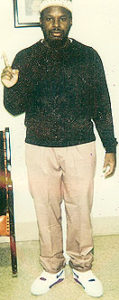 Ralph has proclaimed his innocence from day one and has never wavered. He is a man sentenced to lose his life for three murders.
 I didn’t want to think about ‘Death Row’ before that post. It was distant and removed from my reality, the least of my worries – until she described what it was like for her to accompany her friend on the day of his death and being separated by glass as she watched him lose his life surrounded by men doing their job – killing him. She made it real.
 Jack Allen is a sixty two year old man, and he lives in a Florida prison. Twenty years ago, in the spring of 1997, he was arrested for Burglary with Simple Battery. In order for Jack to complete the sentence he was ultimately given, he must die. If a person gets ‘life’ in the state of Florida, like Jack did, it doesn’t matter if they are twenty years old or fifty – they will live to die in prison. It also doesn’t matter if they feel remorse or if they dedicate themselves to helping their fellow inmates. It doesn’t matter if they take every class the prison has to offer. Nothing they do matters.
 family, every marriage missed, every child born without you there. Special days like graduations and so forth are just nails in your coffin. Each passing day, more dirt is thrown on your grave, you are dead, and your body just does not know it yet.”
 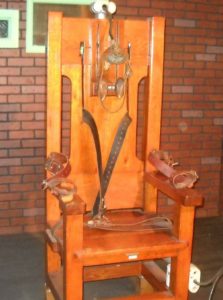 I believe there have been people who were sent to live for decades on death row, and they were later cleared. I believe there have also been people ‘railroaded’ on to death row when prosecutors needed to find a ‘killer’. So – that makes me ask, what about those who were innocent, and never cleared? Or those who were ‘railroaded’ and unable to afford a good defense? Are they just collateral damage?
 Doug, the man who served our country in the Army, became ill. As they should have, the men living with him reported that he wasn’t feeling well.
 The men he lived with were much more compassionate than the staff at the Cibola County Detention Center. They not only pleaded for help for their cellmate, they also can be seen in video footage holding hands and conducting a prayer circle for him. They can be seen trying to soften his fall when he rolled from his bed. They are seen cradling his head and holding a bible. The inmates tended to Doug Edmisten with compassion and care with all they had at their disposal, which was prayer and an offer of comfort.
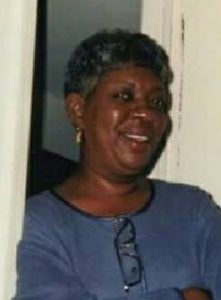
 So, here’s to a new catagory on this site –Views From The Inside. This is Part One from a journal by Gerard G. Schultz, Jr., titled, Sharing My Thoughts from Inside the Cesspool of IDOC.
 inspiring really, like the view from a mountainside with the clouds barely lifted. I recently read something that a woman in Pennsylvania wrote. Her name is Susan. I see the fruit the Spirit grows in her words. This is what she had to say about a simple act of kindness.
 “I have black out two times in less then 24 hr. I keep asking to go to the emergency room. I don’t know what cause the blankouts. I do know that my tororance are low plus I haven’t had a meal that I come eat. I can’t hold water down or food. I don’t know many emergency grievance I have written with same reply. Wait on your (me) appointment. I know about what my blackouts leading to seizure.”
 starting foaming at the mouth. Inmates who saw that happen tried to get help from jail staff, but were told by an officer, “I am busy right now.” The lawsuit that has been filed claims that Henry asked for help from as early as mid July, and his weight when he was received by the jail was 167 pounds, and it was 132 upon his death.